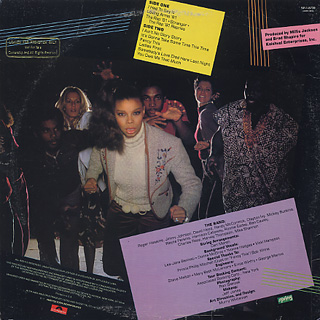

Since Black History Month is coming, and the one thing I love to do during Black History Month is crate dig, let’s get to the bridge and get down with the dusty cuts of the first female vocalist to take center stage on the mic, Ms. Millie Jackson. A lot of you might be surprised that an R&B soul singer popped up on a hip-hop blog, but you’re about to get a musical education on the role and influence that Millie Jackson had on creating artists like Roxanne Shante, Ms. Melodie, Yo-Yo, MC Lyte, Queen Latifah, Lil Kim, Foxy Brown, Rah Digga, and other female lyricists to be taken seriously and not mascots to their all male crew.
Erroneously, many hip-hop historians credit Roxanne Shante as the first female lyricist on wax. Truth is, Millie “Live and Uncensored, Live and Outrageous” Jackson was the first. In fact, Millie J. was at the forefront of the movement that came before hip-hop, which was R&B singers “rapping” on an album. This type of rap wasn’t to a beat; instead artists talked on their records telling a story or explaining something relevant to the song they were singing. Isaac Hayes was the king of “rapping”, with songs like By The Time I Get To Phoenix, You’re Love Is So Doggone Good, and the titular Ike’s Rap solidifying his rap status. Millie J., to her credit, was his queen, being a counterpoint to Black Moses since she shit talked in her “rapping”, earning her the reputation of being X-rated on record with discussions about sex and relationships before hip-hop made it fashionable. Oh yes. She shit talked to the point of being banned from radio the latter part of fifteen years thanks to The Rap in between If Loving You Is Wrong, I Don’t Want To Be Right. Apparently in the 1970s you could not say funky drawers on radio and get airplay.
Just so the cheap seats know, Millie Jackson and Isaac Hayes did a duet album in 1979 entitled Royal Rappin’ with the “rapping” standout If I Had My Way, If You Had Your Way.
After SugarHill Gang dropped Rappers’ Delight, Millie Jackson felt like she had to get on the mic and rock the beat, or so she explains in her 1982 live album Live and Outrageous. So the story goes, once upon a time in 1980 Millie Jackson was reading Jet Magazine and peeped that the black actors being featured, specifically Fred Williamson and Richard Roundtree, were profiling their interracial relationship in the Black publication. Irritated with a few choice words Millie Jackson began cultivating her thoughts into what would be the first female rap on wax, I Had To Say It.
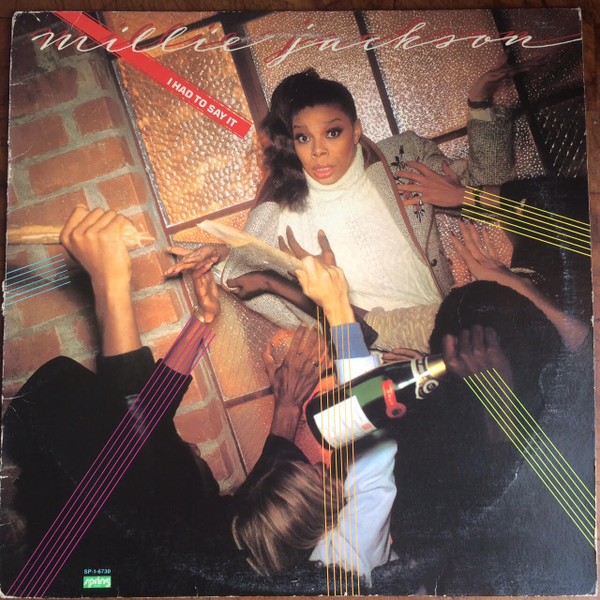
I Had To Say It is the type of record you either love or hate. As the title track of the LP by the same name it is a standout as it is the only hip-hop rap on the album. The quintessential remake of Loving Arms entitled Loving Arms 81/The Rap 81/Loving Arms 81 Reprise gives us the traditional rapping that Millie Jackson feels more at home with, rounding off I Had To Say It as side A of the album. Side B is just a guilty pleasure of ballads as only Mille J. can deliver.
There is no middle ground in its interpretation. Millie Jackson has a lot to get off her chest and she doesn’t care if you hate it. The three verse tour de force that chronicles three distinctive groups for a commentary beef that could never be published today without a massive backlash. Verse one lets us know to gather around the new rapper on the mic because she coming in strong of the beef; if you come for Millie Jackson and she doesn’t call for you first she is going to lay it out and strike you down. The second verse goes hardcore on critiquing interracial dating from the Black American woman’s perspective, exploring power dynamics and economic influences that Millie Jackson believes has caused the good selection of Black men that would be her potential suitors to get white women. The last verse is more of a political statement on the domesticated welfare recipients, which all culminate with her picking on certain people in the audience on the vamp out. For a first time rap record it is a crowning achievement that stands its ground and is unapologetic in its delivery.
After all, she had to say it.