

Picture it, the year was 1994. Gangster rap had swallowed up almost all of hip-hop, to the point where hip-hop’s biggest crossover stars were coming out hard as hell like gangbangers. The artist formerly known as MC Hammer was no exception, dropping his master of ceremonies, genie pants, and Gazal glasses in favor of a hardcore gang banger type style. Problem was, after having dolls, Saturday morning cartoons, and the uber successful Too Legit To Quit album and tour, the change was extremely noticeable and unfortunately, mocked by all. For those of you that are not hip, gangster rap was unforgiving and unloving to those that entered its domain from other musical genres.
Hammer kicked the doors of gangster rap wide open vivaciously enough when Pumps And A Bump, the lead single to Funky Headhunter, debuted on all video channels. What was meant to be an homage to the homies loving the half-naked ladies running around Hammer’s luxurious pool, Hammer showing the world God had blessed him in his lower extremities adorning a speedo alongside them was immediately criticized and ridiculed. Gangster rappers didn’t appeal to ladies and subject their endowment; they were supposed to be hard and dominate women in the most sexually lewd manner possible. Hammer chose a different approach; his hardcore fans were disgusted and the media machine that loved his dirty drawers banished him from the video circuit.
I, for one, thought Hammer’s speedo was a work of magnificent art that should be bronzed.
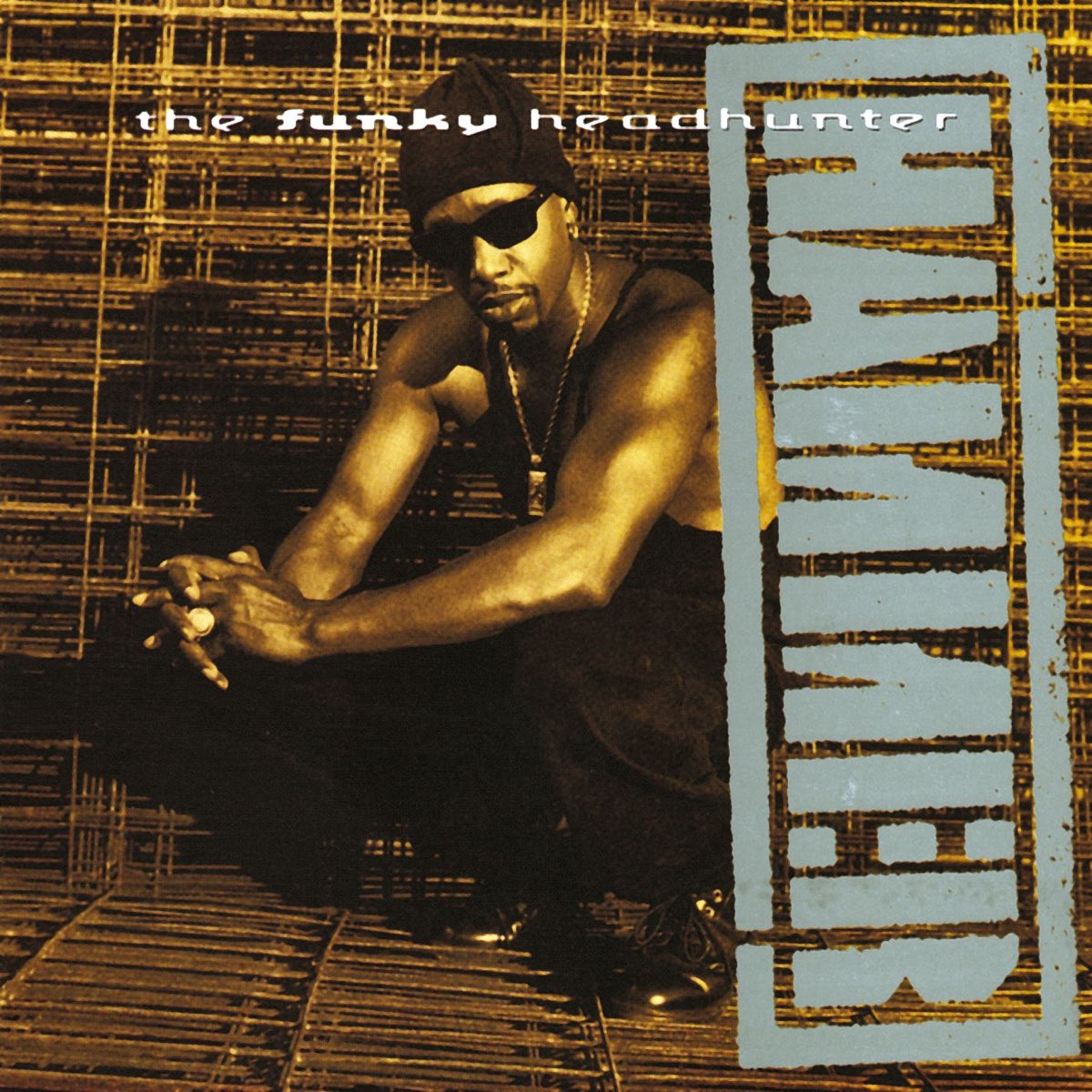
Outside of red blooded hormonal teenagers that enjoyed Hammer as eye candy, nobody else was feeling him stepping out on his hammer. The heavy backlash to his attire prompted an immediate release of Pumps And A Bump (Reprise) (which featured Hammer’s then protégé Dallas Cowboys star Deion Sanders) in a backdrop of homies and Hammer repping like they were auditioning to join their local gang, in full gangster clothing and accessories to boot. Much to my and many chicks disappointment, the men were fully clothed from head to toe humping and pumping their dance steps. For the general audience, Hammer’s new look (especially on his album cover), new sound, and new urban oriented lyrics that were sexually suggestive and less lighthearted than his previous albums on deaf ears. His hardcore audience could take him seriously as a gangster or anything outside of the cult of his pop personality; even debuting the album on Arsenio Hall did little to shun him from the backlash that would ensue from his album release.
Funky Headhunter went on to go platinum, yet virtually overlooked by Hammer’s fans.
Hammer had a unique multifaceted problem as a lyricist. One, people just didn’t like seeing him celebrate his newfound wealth via his videos at his one hundred million dollar mansion off the cliffs of Oakland, California. While stories have now come out thirty years later about what a street dude Hammer really was, at the time no one outside of Oakland knew any of that and thought of Hammer as a bit of a dancing cornball, especially after You Can’t Touch This and Please Hammer Don’t Hurt Em’. Two, men were jealous, and rightfully so, when Hammer let the world know he had a hammer between his legs. Three, based on the success of his previous albums that were on the positive side of the hip-hop landscape, there was a collective shock that Hammer could get down and dirty with street lyrics and sex tales. Too Short or Ice-T Hammer was not, and people were not open minded enough in a time of rap street cred to explore those possibilities.
By the time It’s All Good hit the airwaves, Hammer’s audience had all but abandoned him.
While commercially successful, The Funky Headhunter was a critical failure that took too many chances on the road map in and out of the exits of hip-hop and never found a place in an audience forced to choose in the bastion of defined musical genres. Hammer was trying to mix two different coasts sounds which, after being a successful crossover pop star for all intent and purpose, was a tall order to do standing on the vestiges of dying hip-hop and emerging gangster rap. Production techniques synonymous with the West Coast gangster rap sound permeated the album, including Intro, Oaktown, Somethin’ For The O.G.’s , Pumps And A Bump, Clap Yo’ Hands, Somethin’ About The Goldie In Me, Pumps And A Bump (Reprise), and Help Lord that go hard but fall short of being memorable. On the flip side of that is Hammer’s New Yorkeqsue hip-hop flavors and samples stirring in the gumbo pot, especially in It’s All Good, Don’t Stop, One Mo’ Time, Break Em’ Off Somethin’ Proper, Don’t Fight The Feelin’, It’s All That, and the title track The Funky Headhunter, which proved to be too hip-hop for pop audiences, to fake gangster rap for gangster rap followers, too hardcore for R&B fans, and overall mocked and ridiculed for experimental chances Hammer took to get a new modern sound that graduated him out of the late 1980s and early 1990s.
Outside of nostalgic purposes of reflection, the album did not age well.
The entire album definitely is locked to the time, highly dated in modern time with not a single track that aged like fine wine. While still provocative and worth the occasional video watch to see Hammer in that speedo (which, to this day, is just as infamous as June Pointer’s bathtub scene in the music video for I’m So Excited, Pumps And A Bump wears on the soul after about five minutes, and circles cringe territory by the time the reprise comes up. The rest of the songs are just filler, with unmemorable lyrics that sound familiar but are hard to recall thirty years later. For those that aren’t hip, Hammer was boisterously cocky at the time and bragging just a little too much for the general audience. Many songs on the album feature Hammer’s air of superiority arrogance that is hard to take in large listening doses.
I get what Hammer was trying to do, truly I do. It’s pretty damn hard to have a comeback after three years when your last album was the massive as Too Legit To Quit and the musical landscape of your genre becomes more uptight and resistant to change. Still, I don’t think Hammer should have taken The Funky Headhunter in the direction he did; there were more subtle ways to adapt and change in the game, especially after his successful trilogy albums. Flirting with gangster rap after being on the fringes of pop and dance is equal to Ethel Merman doing a disco album – just because you can, doesn’t mean you should.
Hammer learned the hard way. The streets ain’t got no love when he need it the most.
