
The literary is the easy part. The Business is the tough shit.
Print on Demand (POD to those of you not hip) in the American market sucks fucking ass. But it’s become the only game in town left to play, which is why it sucks fucking ass.
In a perfect world, POD would be awesome. Instant access to printers to get your books out and an infinite number of choices and options to determine the look and size of your novel. But of course, in America, you can never have nice fucking things. In America, there is this thing called a monopoly, and Amazon is at the top of the heap of the POD pile ever since they bought CreateSpace and turned it into the censorship induced, shadow banning waiting to happen, KDP.
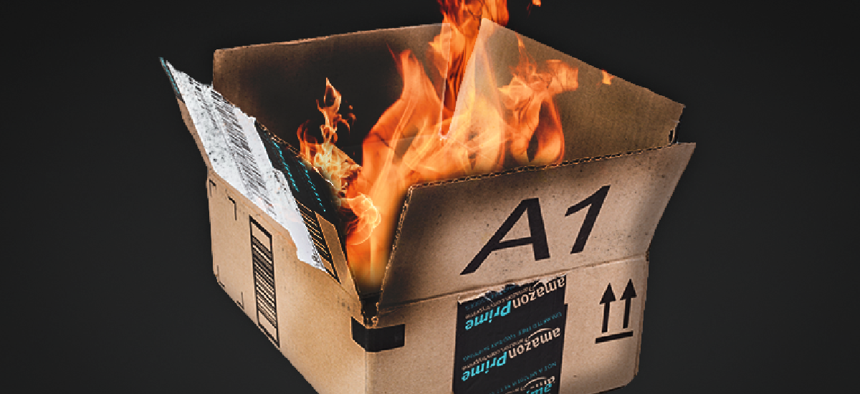
Everybody, even your favorite American imprint to one day get on at PenguinRandomSchuster uses it. Nobody is printing books like it’s 1970 anymore and hasn’t been gung ho about the process for forty-five years. The great @RuvDraba on Substack says the reason for the change is that “Publishing looks like one business. A publisher finds a book, develops it, produces it, and gets it to readers. One company, one pipeline, one industry. But it was never one business. It was always two — bolted together so tightly that the seam was invisible…One business found and developed books. The other produced and shipped them. For most of the twentieth century, the stitching held because the shipping side controlled the only route to readers. What happened over the last forty-five years is that the stitching came apart.”
I agree with him for the most part; in the American market prior to 2000, the shipping was completely controlled by the American publishing houses. They put in their own infrastructure, logistics, shipping, procurement to stores. What they didn’t control were the bookstores outright, but they did control what they bookstores were stocked with. That was the cost of doing business, and the regional imprints had their own little corners of the literary marketplace the same as the big boys before they conglomerated.
The reality is, POD was going to happen because America does not subsidize its literary space and protects it like other countries and uses other industries to drag it down to hell. Case in point: in 1979, there was a major Supreme Court case called Thor Power Tool Co. v. Commissioner. In this case, Thor Power Tool Company sued because they got IRS audited for how they filed their overstock. Under IRS code, taxpayers were limited in how they could write down inventory value, of which damn near everybody and their mama was filing their overstock in such a way as to get a write off for it if it didn’t sell. What they would do is write a value for what they thought they would make on it if they had to hold on to the overstock another year based on what they had and what they produced, capitalizing on the cost of doing business and taking a loss on management not hedging their bets right on products. You know, navigating the fickle bitch of business.
IRS put a stop to that shit and said nope. Taxpayers can only do that if they had a fire sale or their products were fucked up enough to devalue them. No longer could a company, i.e. the taxpayer, write down overstock just because the fish wasn’t biting and they couldn’t get that shit off like cocaine on a corner. The lawsuit jumped off and the Supreme Court of the United States upheld the IRS’ standing that just because you can write your shit off for accounting purposes doesn’t mean Uncle Sam doesn’t want his cut. It also made it quite clear that any business writing off copies at their estimated value (which the company would decide of their own volition) as financially abusive, aka cheating, litigated it and ruled that EVERY BUSINESS now could not give their surplus inventory an estimated future value but had to claim it for it’s production value at time of creation. And you can read about the entire farce of a case here: https://supreme.justia.com/cases/federal/us/439/522/.
Of all the industries to be affected by that ruling was literature. The ruling made publishers stop printing en masse like they had been doing and sitting on their overstock. All of a sudden it was easier to destroy copies of books that didn’t “meet sale expectations” then letting the book mature for a few years and building the audience slow and steady, because they got more of a tax write off destroying the books than they did publishing them. Let that shit sink in.

This magically started closing the door on American publishing taking big chances on up and coming authors, as well as how they dealt with established authors (see my complete disdainment for Harper Collins kicking off Muvah Jackie Collins after she made them a billion dollars in twenty years off her books). Unfortunately, the overstock destruction began an era of publisher and bookstore consolidation, going crazy into conglomerate territory in the 2000s that left us with PenguinRandomSchuster as the three headed American literary Cerberus and Amazon as the biggest American bookseller after the complete collapse of Borders (who bought Waldenbooks when they were owned by Kmart) once they acquired it.
What all these mumbo literary jumbo means is, it is impossible for a modern writer to follow the old path of building an audience and being discovered on shelves. Those days are over. Even if you kiss and suck enough ass to the lipstick lesbian trust fund kid agents, PenguinRandomSchuster is not interested in selling the hot new author. They are interested in filing their taxes for better write offs, which can only come from destroying more inventory than they sell. They have a vested interest in seeing an author fail, even more so now that readership in America is in the toilet.
This is why POD is the only game in town. To be continued.
