

When you think of hip-hop in its infancy, the last thing I’m sure anybody was holding their breath waiting on the 1s and 2s for was the French Canadians, aka Les Québécois, to show their ass in the genre. I’m here to tell you they not only showed their ass but bent over and demanded we kiss the blackest part of it as Millie Jackson would say, right down to the crutcher. Now before I get to doing what I do let me just tell you about the Québécers. I love them dearly but you just need to know they can be an asshole and a half about speaking the French language. Even though they speak English in some cases better than the Anglophones they are Francophones or go home, so don’t expect the rap to be in the language of origin because they not having that.
So before you go running to check it out, Lucien Francouer does the song in French.
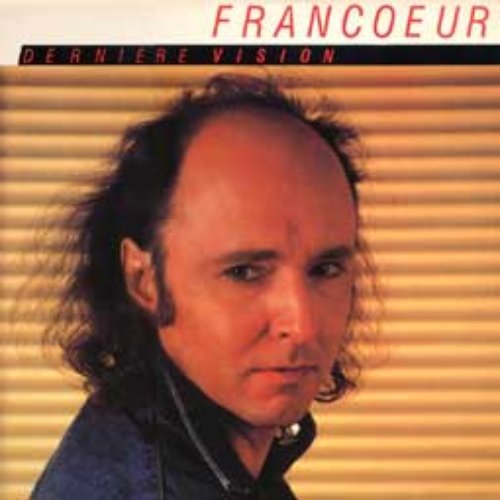
Thanks to the questionable efforts of the Québécois musician, Le Rap-à-Billy has the distinction of being the first French Canadian to record a hip-hop song circa 1983. His background is definitely not that of a person that lives, eats, and sleeps hip-hop; on the contrary he looks like a hillbilly in witness protection searching out Ethel Merman disco albums in a thrift store bin. Whether this was a serious release or a tongue in cheek stunt to make fun of the rising genre and its core demographic, the French Canadian jet setter made musical history, for better or worse.
And when I say worse, I’m talking about a comedic welcome tour of hell without fire.
Le Rap-à-Billy does not follow anything typical about hip-hop outside of its rock influenced musical track that it impressively reminiscent of the time, so think Run DMC’s Walk This Way vibes. Outside of that, it has a parody type feel that stings a bit harder than anything SCTV could have done to Linda Lavin with a bit more bitterness than Frank Zappa had in the 1970s over disco. The only saving grace, if I can even call it that, is that there is a music video, which would be the very first Québécois hip-hop music video.
Now that I’ve hipped you to what we’re working with, it’s time to get down and clown.
The song follows your typical storytelling, albeit in three parts, about an unnamed guitarist that is pestered throughout the entire song by his chick Shirley to either write a song, see a show, or listen to records of “spoken word” songs i.e. hip-hop Le Rap-à-Billy much to his bewilderment, chagrin, and involuntary acceptance. We are introduced to the Le Rap-à-Billy quest from verse one, when the guitarist, who is at home chilling like a villain, gets a call from Shirley, who then just comes over and asks dude to make a rap song like she heard on the radio. Now dude agrees, so they set out to go to Oscar’s house (with no backstory on who he is) to write this thing, but Shirley impedes their creative juices by badgering them about Le Rap-à-Billy.
Crazy girlfriends in a song should be funny, but Francouer takes us instead on a scolding trip during the transitional chorus, condescendingly reminding us that for the same money you can see Le Rap-à-Billy rappers you could see a rock group in Atlanta (and why Atlanta I have no idea) or a non-sexual freak doing non-sexual freak things in Montreal (which that makes better sense in context to the song). This leads us to verse two where he and Shirley go out for a night of disco. Roll with this now because discos were still going strong in Canada in the early 1980s. At one spot the DJ is playing a multi mix of different genres including blues and rockabilly for some off reason but you guessed it, Shirley wants to here Le Rap-à-Billy. She’s so adamant about this that she gets the DJ together and tells him if he ain’t up on game he needs to be, so at this point she’s thirsty for the hip-hop.
The last verse just throws me completely off, as I’m not quite sure to be humorously entertained or loathingly offended. Shirley and the guitarist are now at a house party, which keeps to the theme of hip-hop of the time, right. Problem is, the party goers are cosplaying Black dudes in NYC rocking the mic. Yeah. Francouer went that way with it. It just spirals to hell from there. One of the girls there mentions she wants rock back, of which she’s told she needs to be more like Shirley and Le Rap-à-Billy, which ends with the guitarist just adlibbing the title in pentameters of frustration, intrigue, devastation, and acceptance.
And just like that, the song is over to everyone’s (but maybe the Québécers) relief.
In one of the most defying acts of cultural misappropriation, Le Rap-à-Billy is the hip-hop French Canadian equivalent of spoiled chitterlings on molded rye crisp in the hip-hop cypher. There is no point in speculating what Lucien Francouer’s motivations were for doing the song or conjecturing that he went into it with any ill intent because I don’t know. I’d like to think he was trying to do something similar to Blondie’s Rapture and maybe got lost in translation outside of Quebec. It could have been a Québécois style joke that nobody but them would get. Whatever the hell it was Le Rap-à-Billy did not age well worth a hot damn and a half. Still, just for the hell of it, I wish it would show up in Letterkenny or Shorezy just one time to start the discussion for better clarity.
Forty-two years later I can say Le Rap-à-Billy is a slice of hip-hop that leaves me bewildered.
