

Chicago circa 1996, I was sixteen years old. One afternoon for no particular reason I happened to be watching Rap City. This was a rarity for me. In those days I was lost in vinyl, listening to both of my parents’ record collections that went back to their childhoods in the early 1960s. Jazz, Blues, Rock, and Soul. I was also into grunge and heavy metal which was absolutely an absurd rare idea for a Black kid in Chicago in those days. Hip-hop was cool but we didn’t get a lot of exposure outside of what Pink House spun before he died or whatever Doug Banks played on WGCI for Coke top 9 at 9. Chicago didn’t have a big hip-hop scene like LA or NYC so it wasn’t as prolific with dozens of guys getting it in through cyphers so lyricism was really based on what you had access to via who you hung with. Anyway, while watching Rap City a song came on blaring horns that I was familiar with from Ahmad Jamal’s Swahililand. This was different though. This was like a four alarm fire horn right there. Those five or so seconds of that sample intermixed with James Brown’s sample from Mind Power came in like a voice on the PA system giving an emergency message. Vibe. Vibration. That’s when I knew the stakes were high even before Posdnuos aka Plug 1 came and translated the zone.
I was frozen. Stakes Is High was everything. It was the real.
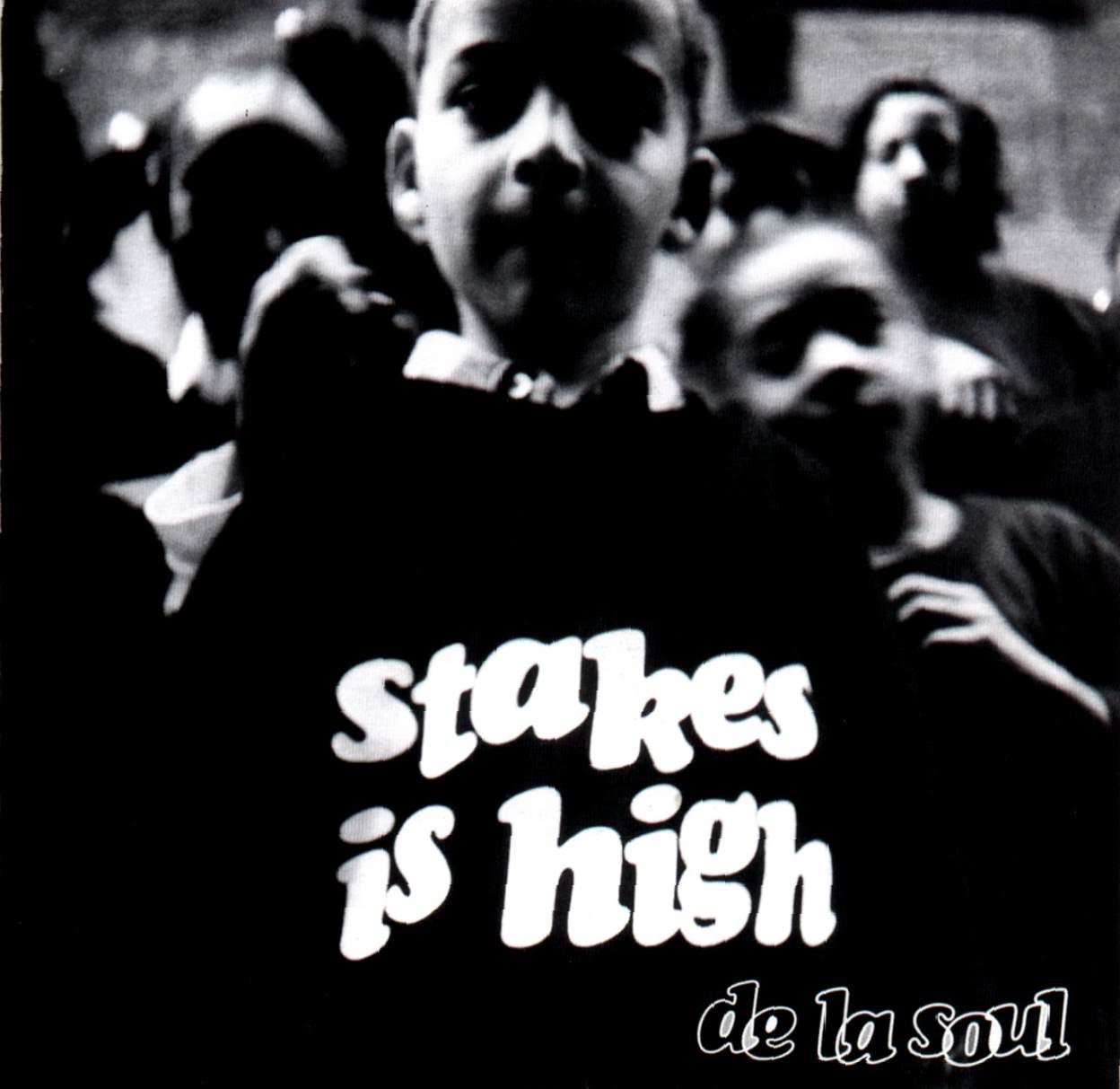
Now I briefly knew De La Soul as the group that did Me, Myself, and I but I had never heard any of their albums or seen any of their videos before that moment. Stakes Is High was that musical moment that took my breath away, capturing me in its gaze and hitting me hard where I most needed it in my soul. No lies were told in that song, and I was a De La Soulite thereafter. The tragedy of the song is its prophetic intuition that has since come to pass three times over in hip-hop. Trugoy, Plug 1, and Maseo did the damn thing on the record, and now I’m going to do mine and give them their flowers. It’s the least I can do since I have held on to Stakes Is High as the hidden gospel removed from the bible since 1996.
For those that are not hip to this higher form of consciousness in hip-hop, let me pull your coat. Stakes Is High is a warning shot delivered during a state of the hip-hop union address that should have been heeded but wasn’t. Plug 1 open up the song warning us about the glorification of struggle and gunplay. Trugoy follows letting us know he’s tired of silly hoes and bros with promos of materials and addiction that are influencing the black population into engaging in such toxic lifestyles. Plug 1 comes back and doubles down with one of my favorite parts of the song which puts the media on blast as having more civil rights and status that the citizens of America. We get a little breather with the very serious chorus and thrown back into the saddle with Plug 1 letting us know that the industry has flipped morality by influencing a perverted lifestyle of self-hate through reckless sex, drugs, and gun play. From there Trugoy and Plug 1 tap in and out of each other’s verses discussing the media influence on sex, drugs, and violence that is affecting the people in the hood and indoctrinating them in hood mentality.
Thirty years later this epic lyric masterpiece slaps you in the face and stings just as hard for those paying attention as it did in 1996. That should tell us all something about where hip-hop was headed and where it wound up. Things are worse than ever on the musical front, with good music being hidden and eradicated easier thanks to the digital revolution while garbage is allowed to flower and fester, poisoning the minds of its listeners. De La Soul told us in that this is a vibe. A vibration. American rappers should have listened to them but they were too busy engaging the problem De La Soul described while releasing their music that they failed to contribute to a positive solution.
Stakes Is High in a fit and just world would have been the best selling song of De La Soul’s career, putting up numbers like The Bodyguard. Sadly, it’s take the group damn near since 2000 to get the rights to their music back just to put it on streaming and earn their millionth of a cent for a spin. That is a testament that the truth in the music business on the rap scene never goes unpunished.
